
Many of us wouldn’t consider living in a car comfortable or even possible, but with the right setup, that isn’t the case. The hard part comes in figuring out what type of rig to live out of. The right travel rig defines much of your adventures, so choosing the right one is a key decision. Here are the considerations, as well as the pros and cons for vehicles, RVs, and hybrid setups.
Travel Rig Considerations
Generally speaking, the bigger the rig, the more comfortable it is, but the less mobile it becomes. A small hybrid can make huge hops on the highway for pennies, but a queen-sized bed is out. Conversely, a huge RV is like a mobile house, but it also costs a small fortune in gas every time you move it, and doesn’t have the clearance for any off-roading.
There is also the stealth factor to consider. RVs and trailers stick out and can’t stealth park in town without the cops knocking, but cars, vans, and box trucks can melt into the background.
Lastly, there’s sustainability to consider. When parking out in the middle of nowhere without hookups or facilities (dry camping), your travel rig needs to be self-sustaining for some time.
So what options are there for travel rigs? I’m going to break them up into vehicles, RVs, and hybrid configurations.
Vehicles: The Custom Travel Rig
When I say vehicles, I’m talking about rigs that were designed for transportation. The most obvious are smaller vehicles like cars, SUVs, trucks, and vans. This also includes more exotic ones like box trucks, ambulances, and school buses.
The Pros
These types of travel rigs can offer a good degree of comfort on the larger end, and on the smaller end, are incredibly mobile. With a little bit of creativity, one can fit a whole lot of awesome into even the smaller rigs and have a great deal of freedom.
They can also be designed to be very stealthy. Passenger vehicles blend into residential areas, and commercial ones look right at home in industrial areas. Again, with some creativity, those same vehicles can be decked out to stay out in the backcountry for extended stays without having to move. A custom build means lots of options.
Lastly, they’re easy to move. When you want to relocate, you pack up and drive away. No towing involved, and your house goes where you go. Packing up camp also depends on your design, so again, plenty of options.
The Cons
These travel rigs were not designed to be lived in, so they are going to need lots of modifications. You need to figure out how to sleep, cook, shower, and use the bathroom in them. That also includes off-grid power, water, and climate control. You need to find solutions to all of these problems.
Weight is also an issue, as every pound you add knocks down your gas mileage, and there is a top end on how much any given vehicle can carry.
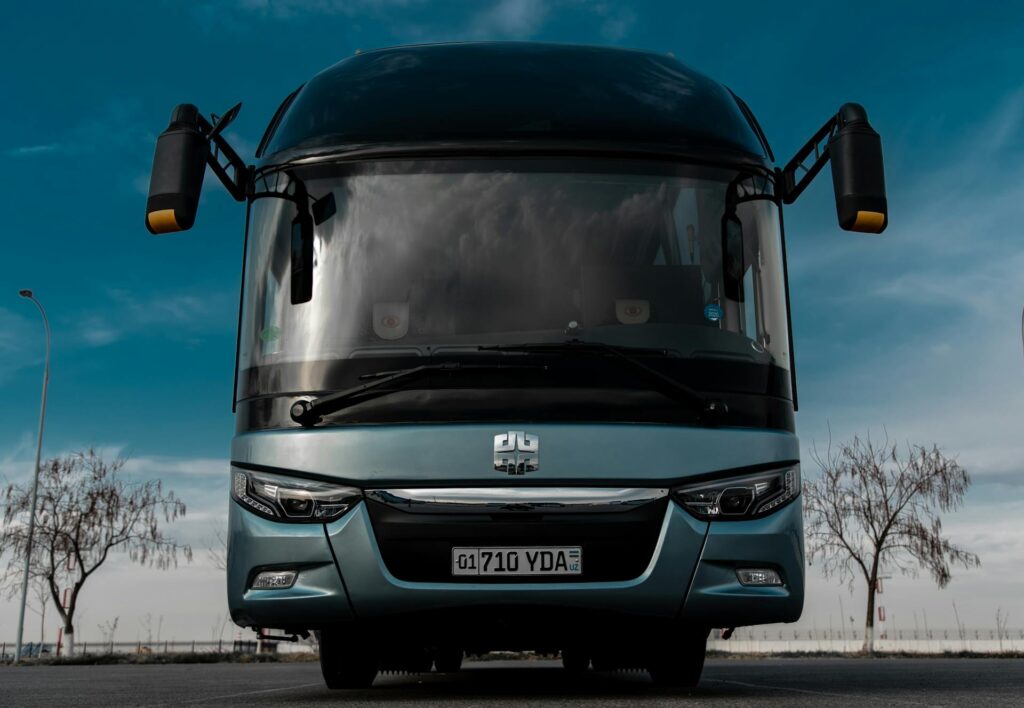
RVs: Motorhomes and Travel Trailers
These travel rigs are designed from the ground up to be lived in, so most problems have already been solved. Like vehicles, they come in a wide array of features and sizes, each with its own level of comfort. They also come in two flavors: Motorhomes and Travel Trailers. A Travel Trailer needs to be towed, whereas a motorhome can be driven, but besides that, they are much the same.
The Pros
Odds are, they’ll have the basics covered, like a living area, bed, toilet, shower, and some sort of climate control, as well as water and plumbing. A good-sized freshwater tank is going to be standard.
Sustainability is going to be quite high on these as they’re professionally designed and built to be off-grid. They come with batteries, propane systems, and can be kitted out with solar fairly easily. The appliances are also specially designed to be energy efficient and often run on propane instead of electricity.
The Cons
The biggest con is going to be build quality and cost. Cheap RVs tend to be slapped together and fall apart quick. Poor insulation and leaks are common issues. On the other hand, well-built RVs are not… well, cheap.
Towing is going to be part of your life, more than likely. You’re either towing a trailer and driving the tow vehicle, or driving an RV and towing your daily driver. You could theoretically drive a motorhome around town, especially the smaller ones, but they’re still cumbersome and not fuel-efficient. Backing trailers into a spot is also an art form (though not hard once you learn, from what I’ve heard), so consider that as well.
They’re also not stealthy. An RV looks like someone is living in it and will stick out like a sore thumb parked outside a warehouse or in a residential area. The bigger rigs will be a complete pain to even find parking in the first place.
The Hybrid Travel Rig
Choosing between a vehicle and an RV is a tough one, and one I have been struggling with for some time now. While mulling this over, it dawned on me you could build out a vehicle and then use it to tow a small trailer for extra comfort.
The Pros
A hybrid travel rig can double the comfort of either small-form vehicles or RVs. A trailer can be used as a living space, while the vehicle can be the bedroom. You could also use the trailer for sleeping, and use the vehicle as storage, a shower, and a bathroom.
Stealth is also possible if you have a place to store the trailer for a night or two. Even if not, it’s easier to park a small trailer, and it wouldn’t stick out too much at some stealth spots. Sustainability is also boosted from the added water tanks and appliances of the trailer. Not to mention, the added solar real estate of the vehicle.
The Cons
While stealth and sustainability are both possible, it doesn’t do as good a job as a more specialized rig. A good living vehicle is going to have a tow capacity of around 5,000 lbs, which means the trailer size is going to be limited too.
Complexity is also a little bit of an issue as you’re combining the build-out needs of a vehicle with the complex systems of a designed trailer. You also have to balance towing capacities and build-out weight when getting established.
The Travel Rig Wrap Up
Hopefully, this gives you a good idea of a very complex and fundamental decision when living on the road full-time. One thing I want to stress is that this decision is different for everyone, and there is no “right” answer to it. If you’re considering hitting the road, either full time or part time, you’ll need to figure out your own setup and what works for you. Hopefully, this gives you a good place to start.
Next post, I’m planning a smaller personal post on what my personal considerations are in a rig, but until then, here’s to finding Austrasia.
One response
When choosing your travel rig, first you have to choose your priorities – you can’t have it all! Do you prioritize comfort or do you choose easy and frugal travelling? Do you plan on parking mostly in full-service campgrounds or dry camping off grid? How often will you move from one spot to another? Are you traveling alone or with someone? How much inconvenience are you willing to put up with, especially long term (showering, toileting, charging devices, cooking, etc.)? Attitude is the most important aspect of full time RVing. You have to look at it as an adventure instead of dwelling on everything you are doing without. Be willing to think outside the box to find unique answers to problems.